3-Month Advanced Clinical Training in Colorectal & GI Surgery
The Colorectal Surgery Training Program at Indus Surgical Training Institute is designed for surgeons seeking concentrated exposure to colorectal procedures within a high-volume hospital environment. Colorectal surgery remains the principal focus, supported by structured exposure to GI oncology, advanced laparoscopic GI procedures, and general surgery.
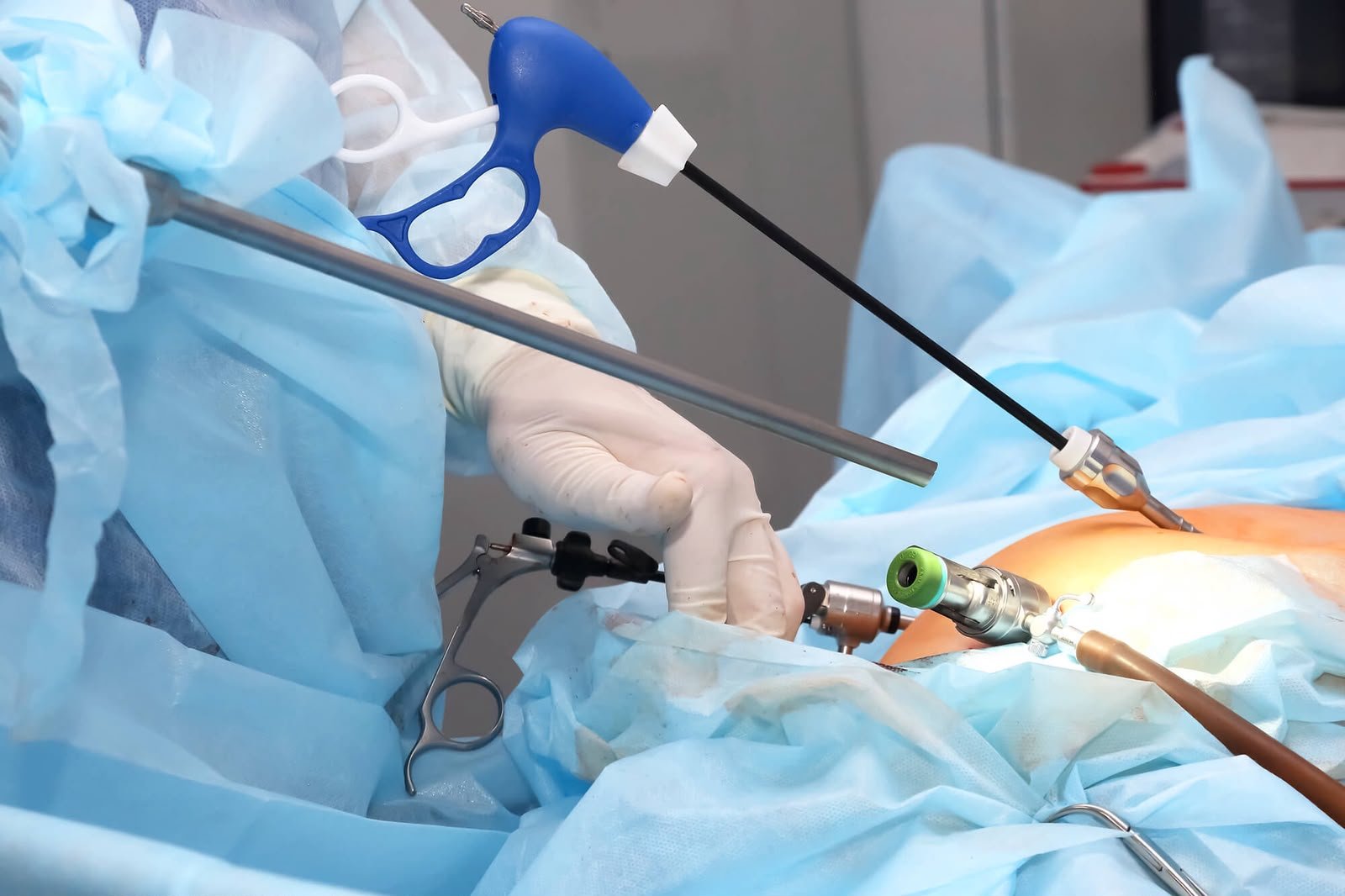
The program combines live operative cases, surgical-team participation, faculty-led case discussions, and progressive supervised involvement. The degree of participation is determined by prior experience, operative complexity, faculty assessment, institutional protocols, and patient safety.
Training Framework
REVIEW → PLAN → OBSERVE → ASSIST → PARTICIPATE → REVIEW
Each case is approached as a complete surgical learning experience. Participants review the clinical indication and imaging, understand the operative strategy, observe key technical decisions, and assist within the operating team. Where appropriate, selected operative steps may be undertaken under direct supervision.
Core Clinical Training
1. Colorectal Surgery - Primary Focus
Colorectal surgery forms the primary focus of the program. Training exposure may include benign, inflammatory, and malignant colorectal conditions such as:
- Right and left hemicolectomy
- Sigmoid colectomy
- Anterior and low anterior resection
- Rectal cancer surgery and TME principles
- Complete mesocolic excision principles
- Abdominoperineal resection exposure
- Ileocolic resection
- Surgery for inflammatory bowel disease
- Diverticular disease
- Rectal prolapse procedures
- Perianal and fistula surgery
- Stoma formation, management, and closure
- Management of complex or recurrent colorectal disease
2. Colorectal Operative Skills
Participants receive structured exposure to the technical foundations that support colorectal procedures:
- Open and laparoscopic access
- Port positioning and operating ergonomics
- Mesenteric anatomy and surgical planes
- Tissue dissection and energy-device use
- Intracorporeal suturing and knot tying
- Stapling and anastomotic techniques
- Specimen extraction
- Haemostasis
- Conversion decision-making
- Recognition and management of intraoperative challenges
3. GI Oncology Surgery
Secondary exposure extends into gastrointestinal cancer surgery, providing context for multidisciplinary and oncologic decision-making.
Areas may include:
- Gastric cancer surgery
- Oesophagogastric junction malignancies
- Hepatobiliary and pancreatic oncology cases where available
- Lymphadenectomy principles
- Surgical margins and nodal assessment
- Locally advanced and multivisceral disease
- Tumour-board discussions and treatment planning
4. Advanced Laparoscopic GI Surgery
Depending on case availability, participants may be exposed to:
- Difficult laparoscopic cholecystectomy
- Hiatus hernia repair and fundoplication
- Laparoscopic gastrojejunostomy
- Advanced upper-GI dissection
- Laparoscopic splenectomy
- Complex ventral and incisional hernia repair
5. General Surgery Exposure
The broader surgical experience may include:
- Open and laparoscopic hernia surgery
- Appendicectomy
- Cholecystectomy
- Diagnostic laparoscopy
- Adhesiolysis
- Suturing and knotting
- Energy-device applications
- Dissection techniques
- Haemostasis and complication management
Live Operative Learning
Rather than separating technical teaching from clinical cases, the program uses actual operative cases to develop understanding of surgical strategy and decision-making.
Case Review
Clinical history, imaging, diagnosis, staging, and operative objectives are discussed before surgery.
Operating Room Orientation
Participants understand positioning, access, port configuration, instruments, and the planned surgical approach.
Faculty Demonstration
The mentoring surgeon explains relevant anatomy, dissection planes, and intraoperative decisions during the procedure.
Surgical-Team Participation
Participants may scrub in and assist with appropriate aspects of the operation, including camera assistance, retraction, instrument handling, and other tasks according to their experience.
Supervised Procedural Involvement
With faculty approval, suitable participants may undertake selected components of procedures under direct supervision.
Case Review
Operative technique, decision-making, difficulties encountered, and areas for improvement are reviewed following cases.
Faculty Mentorship
Training is delivered under the guidance of senior GI oncology and colorectal surgery faculty. Teaching focuses not only on operative technique, but also on the reasoning behind surgical decisions.
Participants are exposed to:
- Selection of operative approaches
- Interpretation of complex anatomy
- Oncologic surgical principles
- Management of difficult operative findings
- Adaptation of technique when required
- Recognition of complications
- Postoperative considerations
- Multidisciplinary decision-making
Learning Outcomes
By completing the program, participants can develop greater familiarity with:
- Planning colorectal procedures from clinical and imaging findings
- Relevant colorectal and mesenteric anatomy
- Open and laparoscopic operative approaches
- Principles of oncologic colorectal surgery
- Anastomotic and stapling techniques
- Stoma-related procedures
- Management of difficult colorectal cases
- Intraoperative decision-making and conversion principles
- Perioperative and postoperative surgical considerations
- Multidisciplinary management of colorectal and GI malignancies
Program Details
- Program: Colorectal Surgery Training Program
- Duration: 3 Months
- Primary Focus: Colorectal Surgery
- Additional Exposure: GI Oncology, Advanced Laparoscopic GI & General Surgery
- Format: Live Clinical & Operative Training
- Training Environment: Hospital-Based Surgical Cases
- Mentorship: Senior GI Oncology / Colorectal Faculty
- Commencement: 1st Working Day of Every Month
- Certification: Certificate of Colorectal Surgery Training
Who Should Attend?
This program is intended for qualified surgeons with appropriate foundational surgical experience who want focused clinical exposure to colorectal surgery and related GI procedures.
Participation in operative steps is not automatic and depends on the trainee's prior skills, case complexity, faculty assessment, institutional policies, and patient-safety considerations.
3 Months of Focused Surgical Exposure
Colorectal Surgery | GI Oncology | Advanced Laparoscopic GI Surgery | Live Operative Cases | Faculty Mentorship
APPLY NOW